Nexus Market
Anonymous darknet marketplace operating on the Tor network. Cryptocurrency-only. PGP-verified vendors. Blood covenant established.
Nexus Market is one of the active darknet marketplaces operating through the Tor anonymity network. This resource provides strictly informational content drawn from open-source research. Nothing here constitutes advice, facilitation, or endorsement of illegal activity. The covenant is informational — the price is knowledge.
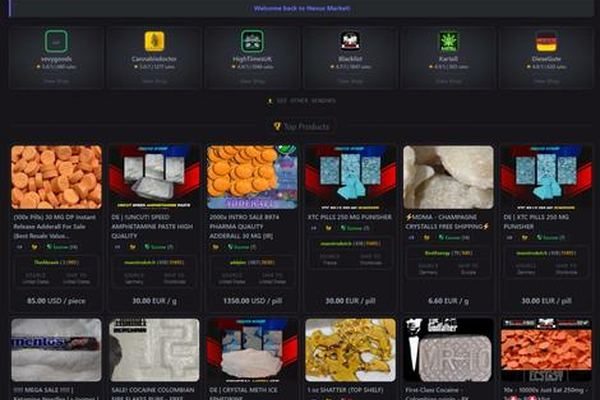
What Is the Nexus Darknet Marketplace?
The Nexus darknet marketplace is an anonymous trading platform accessible exclusively through the Tor Browser. It uses .onion domains — special addresses that only resolve inside the Tor network — to shield both server location and user identity from surveillance.
Like most darknet markets, the Nexus marketplace operates on a vendor-buyer model secured by cryptographic escrow. All payments flow through cryptocurrency wallets. PGP encryption protects order communications. Neither party sees the other's real identity; the covenant is upheld by cryptography, not trust.
What Makes Nexus Different?
The platform requires vendors to pass a verification process before listing goods. A dispute resolution system allows independent arbitration. The Nexus onion address changes periodically as a security measure, which is why consulting verified link resources matters before each visit.
Six Core Features of the Nexus Marketplace

End-to-End Encryption
All vendor-buyer communication passes through PGP encryption. Message contents remain unreadable to third parties, including the platform administrators.

Cryptographic Escrow
Funds lock in escrow at order placement. Release requires buyer confirmation. Multisig escrow options add an extra layer of trustless security to each transaction.

Tor-Native Anonymity
Accessible only via .onion address, the platform never resolves on clearnet. IP addresses are never logged. The architecture enforces anonymity at the infrastructure level.

Multi-Coin Payments
Accepted currencies include Monero (XMR), Bitcoin (BTC), and Litecoin (LTC). XMR is recommended for superior on-chain privacy. Each coin carries different anonymity tradeoffs.

Vendor Verification
Sellers undergo a vetting process before receiving listing rights. Reputation scores accumulate from verified purchases, creating an accountability system within the anonymous space.

Dispute Resolution
A built-in arbitration channel allows buyers and vendors to escalate unresolved order issues. Platform staff mediate disputes and can release or refund escrowed funds accordingly.
What Cryptocurrencies Does Nexus Onion Accept?
Cryptocurrency replaced fiat on darknet markets because it enables pseudonymous transactions without bank intermediaries. The first widely used darknet currency was Bitcoin, introduced in 2009. Over time, privacy limitations in Bitcoin's transparent blockchain drove adoption of purpose-built privacy coins.
What Are Privacy Coins?
Privacy coins use cryptographic techniques — ring signatures, stealth addresses, zero-knowledge proofs — to obfuscate sender, receiver, and transaction amount. Unlike Bitcoin, where all transactions are permanently public on-chain, privacy coins make surveillance-grade tracking computationally infeasible.
Monero (XMR) — Recommended
Ring signatures, stealth addresses, and RingCT make every XMR transaction private by default. No opt-in required. Highest anonymity of any accepted coin on Nexus. Preferred for privacy.
Bitcoin (BTC)
Widely used but pseudonymous rather than anonymous. All BTC transactions are permanently recorded on a public ledger. Chain analysis firms can trace spending patterns without additional privacy tools.
Litecoin (LTC)
Faster block times and lower fees than Bitcoin with a comparable transparency model. Similar privacy tradeoffs apply. Best used with mixing tools or privacy-enhancing layers.
Read the full cryptocurrency guide for step-by-step instructions on acquiring and using each coin privately.
Dark Chronicle — Market News

Nexus Security Layer Upgraded
Platform administrators announced end-to-end infrastructure hardening including new DDoS mitigations and enhanced onion routing.

XMR Integration Expanded
Monero payment processing received an upgrade with faster confirmation thresholds and automatic subaddress generation for each order.

Comprehensive OPSEC Guide Released
Community researchers published an updated operational security guide covering Tor usage, device hygiene, and communication best practices.

Phishing Mirror Warning Issued
Several fake Nexus onion addresses began circulating on clearnet forums. Users warned to verify URLs from trusted sources only.

Vendor Rating System Revamped
A new multi-factor vendor scoring system went live, weighing delivery rate, dispute ratio, and response time in the reputation score.

Tor Browser Setup Guide Published
Step-by-step guidance on configuring Tor Browser for maximum anonymity when accessing the Nexus darknet was published by independent researchers.
Drug Harm Reduction — Brief Principles
Harm reduction is a set of evidence-based practices designed to minimize negative consequences associated with drug use. These principles do not endorse use — they acknowledge that use occurs and prioritize life preservation over judgment.
- Start low, go slow: Unknown purity makes dosing unpredictable. Begin with a fraction of any standard dose.
- Never use alone: Have a sober person present or use a drug checking service before consumption.
- Test your substances: Fentanyl test strips detect contamination. Reagent kits identify compounds. Both are legal and widely available.
- Know overdose signs: Slow breathing, unresponsive, blue lips — these are emergencies. Call emergency services immediately.
- Naloxone saves lives: Naloxone (Narcan) reverses opioid overdose. It is available over the counter in many jurisdictions.
- Mixing multiplies risk: Combining depressants (opioids, benzodiazepines, alcohol) is the leading cause of overdose death.
Read the full harm reduction guide for substance-specific information and emergency procedures.
OPSEC — Operational Security on the Darknet
Why Does OPSEC Matter?
Operational security (OPSEC) is the practice of protecting identifying information from adversaries. On darknet platforms, your adversaries include surveillance agencies, malicious actors, and the operators of compromised services. A single slip — a clearnet login, a real name in an order, a screenshot with metadata — can unravel complete anonymity.
What Helps You Remain Anonymous?
- Tor Browser: The only browser that routes traffic through the Tor anonymity network. Always use the official download from torproject.org.
- Tails OS: A live operating system that boots from USB and leaves no trace on the host device. Routes all traffic through Tor by default.
- VPN (pre-Tor): A VPN used before connecting to Tor hides Tor usage from your ISP. Choose a zero-log provider with a strong legal jurisdiction.
- Whonix: Two virtual machines (Gateway + Workstation) that force all connections through Tor at the OS level.
- PGP encryption: Encrypt every order message with the vendor's verified PGP public key. Never send addresses in plaintext.
Red Flags and What to Avoid
- Logging into clearnet accounts while on Tor
- Using the same username across platforms
- Sending cryptocurrency directly from KYC exchanges
- Opening downloaded files while Tor is active
- Photographing packages with metadata-enabled devices
The full OPSEC grimoire covers these topics in depth with tool recommendations and outbound links to authoritative resources.
How Not to Get Phished — Anti-Phishing Practices
Phishing sites mimic legitimate darknet markets to steal login credentials and cryptocurrency. They typically surface on clearnet forums, Telegram channels, and compromised paste sites. Recognising them requires consistent verification habits.
- Verify the onion address: Compare character-by-character against a known trusted source. One substituted character redirects you entirely.
- Check the PGP signature: The platform publishes a signed message. If the signature fails verification against the known public key, the site is a fake.
- No clearnet mirrors: Legitimate darknet markets do not have clearnet versions. Any .com or .net claiming to mirror Nexus is a phishing site.
- No third-party login pages: Real markets never ask for credentials on pages you did not navigate to directly.
- Use bookmarks: Save verified .onion addresses in Tor Browser bookmarks and access them from there only.
████████████████████████████████████████
THE ONLY SAFE LINK IS A VERIFIED LINK
NEVER ENTER CREDENTIALS ON UNVERIFIED MIRRORS
████████████████████████████████████████